
Antique furniture often holds a place of pride in a home and stands as a testimony to the owner’s passion for such period pieces. Much more than the money you pay to acquire it, your true appreciation is revealed in the way you maintain and care for these pieces to ensure they remain a standout element in your interiors or even outdoor spaces.
Antique furniture reflects history, craftsmanship, and character. Proper care helps preserve not only its appearance but also its structural integrity and long-term value. With the right approach, antique wooden furniture can remain beautiful and functional for generations.
Antique Furniture Care Tips
Any vintage furniture will have its own small flaws and signs of age. These imperfections are part of its charm and authenticity. However, maintaining and repairing antique furniture requires a completely different method compared to caring for modern furniture.
There are several simple initiatives that homeowners can take to ensure the durability and longevity of their antique pieces. With consistent care and attention, it is possible to preserve the beauty of antique furniture without frequent repairs.
Environment
You may already know how wood reacts to weather conditions and exposure to ultraviolet rays. Excessive sunlight can cause irreversible damage that may permanently affect the beauty and value of an antique wooden piece. For this reason, it is always ideal to keep vintage furniture away from direct sunlight.
Humidity is another major enemy of wooden furniture. Changes in humidity levels can cause wood to expand and contract repeatedly, which may lead to cracks, warping, or joint damage. Antique furniture should not be placed in humid environments such as attics, basements, or areas with poor ventilation.
Maintaining a stable environment helps preserve the structure and finish of antique wood. Rather than spending large amounts of money on furniture repair later, it is far better to protect antique pieces through these simple preventive measures.
Insects and Pests
This is a very common issue faced by people in Austin owning vintage furniture. You might have spent a lot on furniture restoration to get your period piece’s original look back. But if you fail to take care of furniture against common wood breeders like termites, wood beetles and other similar insects and pests that take refuge in your furniture, it would be hard to protect your valuable item for long.
Termites, wood beetles, and other pests often take refuge inside wooden furniture, especially if the wood has not been properly protected. Over time, these insects can cause serious internal damage that may weaken the structure of the furniture.
Furniture made from materials such as horsehair, leather, or traditional upholstery fabrics also requires special care and attention. Seeking professional help from a company that specializes in antique furniture repair can be a wise decision. Professionals have the knowledge and experience required to identify pest issues and recommend preventive treatments that help protect valuable furniture pieces.
Cleaning and Polishing
One of the basic steps to maintain your antique wood is to keep it dry. Applying a good quality wax is one of the best ways that can help your antique furniture fight weather changes. However, the frequency of waxing is purely based on how often you use the furniture and clean/wipe it. You should remember that frequent wiping would slowly remove the effect of waxing.
Frequent wiping of the furniture surface may gradually remove the protective wax layer, which means it may need to be reapplied from time to time. At the same time, it is important to remember that wax may not be suitable for every type of wooden surface.
Some furniture polishes contain silicone-based ingredients that can damage antique wood finishes over time. Additionally, furniture pieces that include copper or brass handles, knobs, or decorative hardware require separate cleaning and maintenance methods.
In such situations, consulting an antique furniture restoration professional can help ensure that the correct cleaning and polishing techniques are used without harming the original finish.
Handling and Moving
Proper handling and safe movement of antique furniture begin with understanding how the piece is constructed. Antique furniture is often more delicate than modern furniture, so careful handling is essential to prevent accidental damage.
For example, when lifting a small chair, it is best to hold it by the side rails. For sofas or larger chairs, it is safer to lift from below the side frame rather than from the arms or backrest.
Dragging furniture across the floor should always be avoided because it can weaken joints or damage the legs. Whenever possible, detachable parts such as cushions, shelves, or panels should be removed before moving the furniture and reassembled afterward.
For tables, lifting them from the apron, which is the strongest part of the table structure, provides better support and reduces the risk of breakage. When moving large or fragile pieces, hiring professional movers who use protective equipment and trolleys can help ensure the furniture is transported safely.
Refinishing
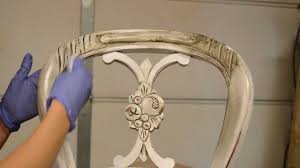
Refinishing antique furniture or replacing upholstery should always be handled carefully. These tasks require a high level of skill and knowledge about antique construction methods and finishing techniques.
The goal of refinishing vintage furniture should be to enhance its appearance while preserving its originality and historical value. Over-restoration or improper refinishing can reduce the authenticity and value of the piece.
For this reason, refinishing and upholstery replacement should ideally be carried out by professionals who understand the intricacies of antique furniture and have experience working with vintage materials.